Generation 81–96: Why Parents Feel So Overwhelmed
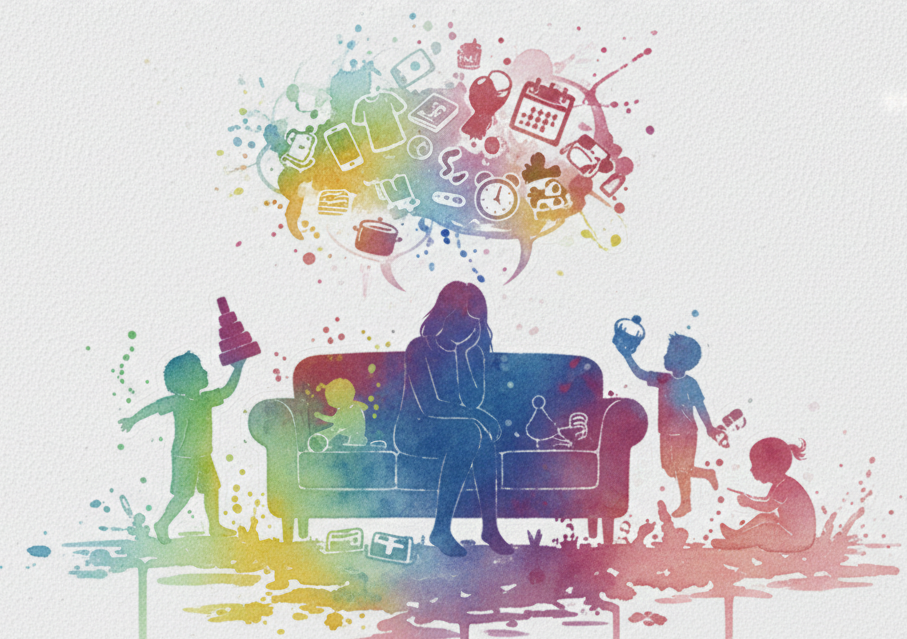
We grew up outdoors. With silence. And today, we are raising children in a world of screens, constant information, and relentless pressure.
If parenting feels more exhausting than it “should,” it is not a personal failure. It is a reflection of the time we are living in.
Who is Generation 81–96?
People born roughly between 1981 and 1996 (often referred to as millennials) are the first generation of parents who grew up without smartphones yet are raising children fully immersed in the digital world.
Research shows that this generation places a strong emphasis on emotional well-being, conscious parenting, and work–family balance — which significantly increases mental load.
Why it feels like we are never doing enough
Studies suggest that an overload of parenting information lowers parental confidence and increases anxiety. The more “correct” approaches we know, the more likely we are to feel that we are mfailing.
Social media amplifies this pressure. It shows ideals — not reality. And our minds compare, often without us noticing.
Intensive parenting as the norm
Academic literature describes the rise of “intensive parenting” — the belief that a good parent should always be present, informed, emotionally available, and actively engaged.
This model, however, is not sustainable long-term. The human nervous system is not designed for constant emotional vigilance.
Digital noise and the loss of silence
Research consistently shows that constant digital stimulation increases stress, shortens attention span, and reduces the ability to recover — in both children and adults.
Silence, boredom, and unstructured time play a crucial role in emotional regulation and mental well-being.
Why OfflineMom
OfflineMom was not created to give parents more to do. It exists as a counterbalance to the pressure that constantly tells us to do more.
Fewer inputs. Less performance. More space for connection.
If this feels like too much sometimes, you are not alone. You are simply parenting in a demanding era.
Sources & research
- Twenge, J. M. (2019). iGen – Generational differences in mental health.
- Liss, M. et al. (2013). Intensive parenting and parental burnout.
- UNICEF (2021). Children in a Digital World.
- American Psychological Association (2023). Stress in America.
- Naruka & Rajput (2024). Exploring Parenting Perspectives of Millennial Mothers.